Türkiye's food fraud list is the Ministry of Agriculture and Forestry's public record of products where laboratory results have confirmed imitation or adulteration, published with company, brand, product and batch details. The process starts with an official sample and moves through analysis, notification, objection and administrative action before disclosure. The current list is published at guvenilirgida.tarimorman.gov.tr/gkd and on the e-Devlet government portal, while results disclosed more than six months ago sit in a separate e-Devlet service.
What is the legal basis?
Article 31(6) of Law No. 5996 lets the ministry make information from official controls public. The same paragraph bars disclosure of information on ongoing judicial and administrative proceedings. Article 8 of the Regulation on Official Controls of Food and Feed then defines what is published: the company name, product name, brand and batch or serial number of the producer or importer of food and feed where a laboratory result has confirmed imitation or adulteration.
Disclosures fall into two groups. The first covers imitated or adulterated food, which the ministry sorts under two headings: addition of a substance not of the same value, and lack of an ingredient affecting a basic property. The second covers food that endangers life and health. The sanctions differ, so the group a product appears in matters.
How does a case move from sample to disclosure?
- Official control. Controls are risk-based and, unless prior notice is required, unannounced. Inspectors may enter any premises covered by the law and take samples.
- Sampling. As a rule two sets are taken. One goes for analysis and the other is held as a retained sample at the ministry's provincial or district office. On request, a third set is left with the operator.
- Analysis. The sample is examined in a ministry laboratory or a ministry-approved laboratory.
- Notification and objection. Parties may object within seven days of notification. The retained sample is then analysed, and that result is final. No objection is available for foods with under seven days of shelf life, for microbiological tests, or where there is too little product to analyse a retained sample.
- Administrative action. Article 40(1)(l) of the law applies to confirmed cases: the product is seized, recalled at the expense of the responsible party, and an administrative fine is imposed. The amounts are covered in food adulteration penalties.
- Public disclosure. According to the ministry's October 2024 statement, results enter the system once the administrative steps required by the legislation are complete.
In practice, an entry on the list relates to a sample taken some time ago. Between sampling and disclosure, that batch may already have moved through trade.
How has the list changed since 2024?
The ministry reports 28 disclosures at various points between 2012 and 2024, covering 5,125 different product batches in total. For a long time, then, the list came out in occasional large batches. Since 2 October 2024, disclosures have been electronic and made as results are finalised.
That changes the routine for buyers. Waiting for a batch list to make the news no longer works, because entries can appear at any time of year. Results disclosed six months ago or earlier are offered separately on e-Devlet as the "Terminated Public Disclosure Service". A look-back check on a supplier needs both sources.
How do you check the list?
There are two places to look:
- Safe Food site: the "Food Public Disclosure" section at guvenilirgida.tarimorman.gov.tr/gkd has separate lists for imitated or adulterated food and for food that endangers health.
- e-Devlet: under the Ministry of Agriculture and Forestry's services, the "Current Public Disclosure Service" sits alongside the "Terminated" service for older results. Access to e-Devlet generally assumes Turkish credentials, so an overseas buyer may need a local partner to run this check.
Entries show the disclosure date, company name, brand, product name, the nonconformity and the batch or serial number. Searching only for a familiar brand is not enough. Check the legal entity name, brands it produces under contract and group companies separately, then record the date and outcome in the supplier file.
How should the list be read?
What the list tells you and what it does not are quite different:
| What it says | What it does not say |
|---|---|
| Imitation or adulteration was confirmed in a specific batch | That all of a company's production is affected |
| The producing or importing company and the brand | Where in the chain the problem entered |
| The type of nonconformity | The state of the batch in front of you |
| The disclosure date | When the sample was taken |
The most common mistake is treating absence from the list as a clean bill of health. The list only shows products that were sampled, analysed and taken through the whole process. A supplier's absence does not mean its batches were measured and found compliant.
How should purchasing and quality teams use it?
The list earns its keep as a control point:
- Check company, brand and group names when approving a new supplier and when renewing a contract.
- Set a regular check schedule for established suppliers, with the frequency based on product risk.
- If you find an entry, compare the batch number with your stock and production records, and separate the batch concerned.
- Tighten intake checks on later batches from that supplier. The ministry says it also inspects businesses with findings more often.
- Keep the date and result of each check in the supplier file.
If your supplier or your own product appears on the list, the next steps are a different matter and should be worked through with legal counsel and your quality team.
Does the list replace measurement?
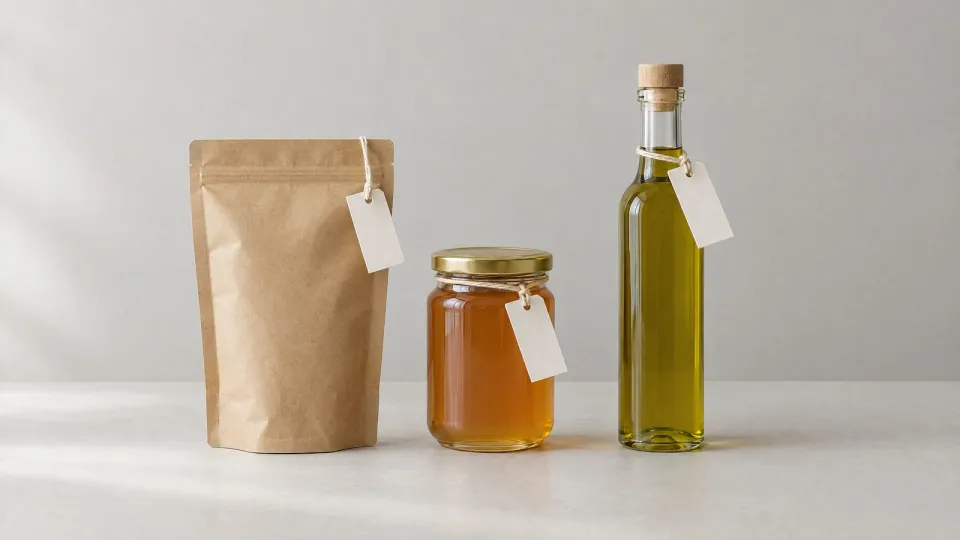
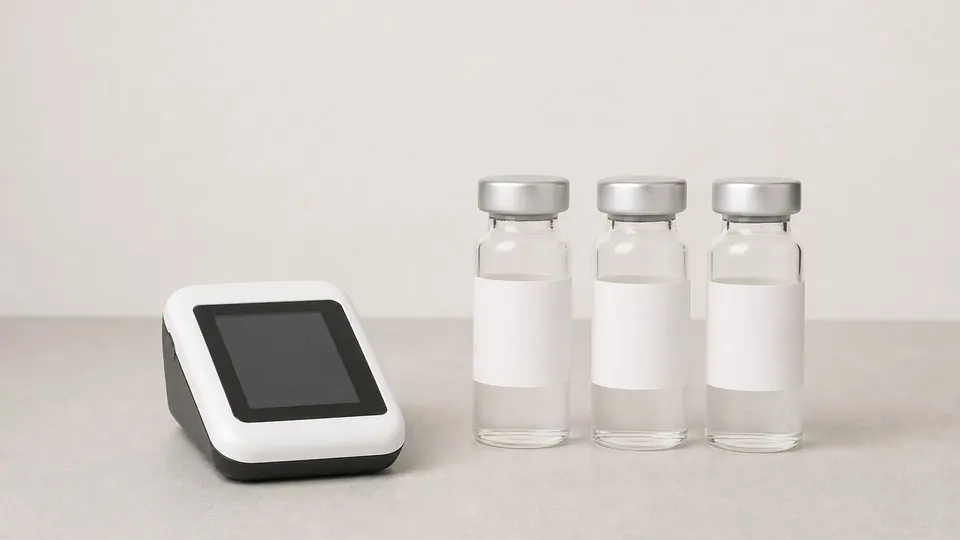
No. The list shows results confirmed in the past; the only way to learn the state of the batch in front of you is to measure it. This is where Deeptrace's analysis solutions come in: Molevex compares composition with a reference accepted as genuine, while Olivex and Beevex assess olive oil and honey at the point of purchase. These measurements do not replace official controls or official analysis. For the legal standing of a field result, see rapid test or accredited lab; for the definitions, see what is food fraud.
Sources
- Law No. 5996 on Veterinary Services, Plant Health, Food and Feed (Articles 31, 33 and 40), in Turkish
- Regulation on Official Controls of Food and Feed (Articles 8 and 12), Official Gazette, 17 December 2011, No. 28145, in Turkish
- Ministry of Agriculture and Forestry, Food: public disclosure work, in Turkish
- Ministry of Agriculture and Forestry, Taklit ve Hileli Gıda Listeleri Artık Anlık Paylaşılacak, 1 October 2024, in Turkish
- Ministry of Agriculture and Forestry, Food Public Disclosure, in Turkish
- Türkiye Gazetesi, statement by the Deputy Director General of Food and Control on inspection frequency, 11 February 2026, in Turkish