No risk to consumers
All components meet food safety standards; they remain in trace amounts and go unnoticed.

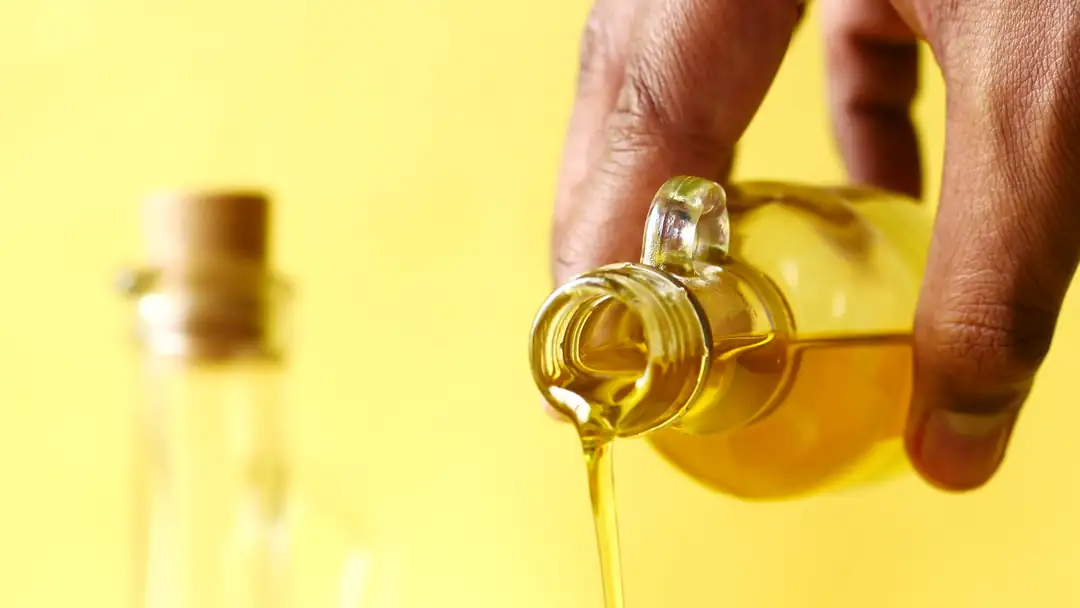
Made from raw materials that meet food safety standards, this marking family can be used in directly consumed products and on food-contact surfaces. Known in the industry as an “edible marker”, it does not change the product's taste, smell, colour or texture.
What it solves
So these product groups could only be protected through their packaging.
All the components used in the edible-grade layer meet food safety standards. The mark is carried inside the product; taste, smell, colour and texture do not change. Products whose packaging can be copied come within the scope of verification too.
Edible-grade
It brings product groups where marking could not be applied before within the scope of verification.
All components meet food safety standards; they remain in trace amounts and go unnoticed.
Taste, smell, colour and texture stay as they are; the balance of your recipe is not disturbed.
Unlike a visual label that can easily be reproduced, the mark is carried inside the product.
How it is introduced
The mark is added to the product's recipe or the contact layer at approved ratios.
Its presence and ratio are confirmed at a sampling point on the line.
A record for each batch is kept together with your food safety file.
FAQ
All the components used meet food safety standards and remain in trace amounts.
Taste, smell, colour and texture stay as they are; the balance of the recipe is preserved.
A record is kept for each batch and stored together with your existing food safety documentation.
Technologies
Meeting request
The first meeting reviews your product group, your production flow and the points where verification will take place, and recommends a marking or analysis method.
Request a meeting