Ingredient claims questioned
Consumers, retailers or inspection authorities ask whether the ingredients on the label are accurate.

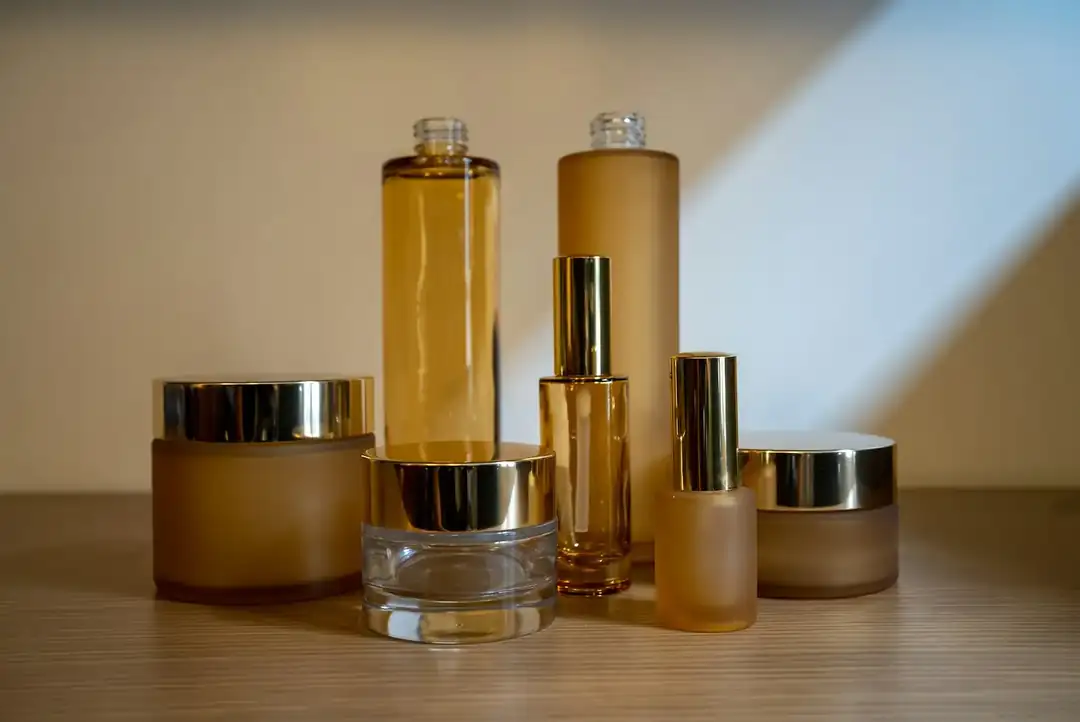
When an ingredient claim is questioned, the brand holds a measured answer; consistency rests on measurement, not on trust in the facility.
The current picture
In cosmetics, buyers decide by reading the box. When the claim is questioned and the brand holds only its own record, that record is often not enough. A measurement-based reference answers both complaints and export files.
Request a meetingData
Share of sales lost by the cosmetics and personal care sector in the EU because of counterfeits
Source: EUIPO, The economic cost of IPR infringement in the cosmetics and personal care sector, 2015Estimated annual revenue lost by legitimate manufacturers in the EU, according to the same study
Source: EUIPO, The economic cost of IPR infringement in the cosmetics and personal care sector, 2015Estimated share of counterfeit and pirated goods in EU imports in 2021
Source: OECD and EUIPO, Mapping Global Trade in Fakes 2025, 2025Risks
Consumers, retailers or inspection authorities ask whether the ingredients on the label are accurate.
Batches of the same product made at different facilities can drift apart.
Products sold in copied packaging weigh on the brand's reputation.
Approach
Kozvex compares the ingredient claim on the label with a measurement taken from the product itself.
The first batch of a new formula becomes the reference; later batches are assessed by the same measure.
Lumvex shows within seconds, under the right light, that the product belongs to the brand.
Regulation
Requires a responsible person established in the EU for every cosmetic product placed on the EU market, electronic notification before the product is placed on the market, and a batch number or a reference identifying the product on the label. Having batch information on the product forms the basis of traceability in recalls and complaint investigations.
In Türkiye, cosmetic products must be notified to the Ministry of Health before they are placed on the market for the first time; the responsible person files the notification with TİTCK through the Product Tracking System (ÜTS), together with the product's original label. This record is the primary source consulted when identifying which responsible person a product on the market belongs to.
This section is for information only; official sources prevail for current obligations.
Solutions
 CosmeticsKozvexThe ingredient claim on the label and batch consistency in contract manufacturing are compared by measurement.View solution
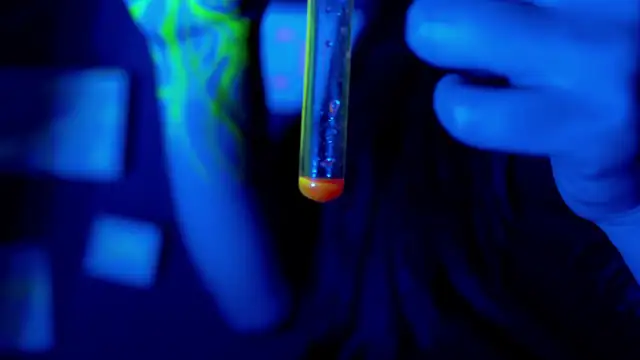 Verification by lightLumvexAn invisible signature responds within seconds under the right light.View solution
 Composition measurementMolevexNothing is added to the product; its composition is measured and compared with a reference.View solution
FAQ
The first batch of the new formula is measured and becomes the reference for later batches.
Yes. A product obtained from retail or online sales can be compared with the same reference.
No. The signature is invisible under everyday lighting; the product's colour and texture do not change.
Meeting request
The first meeting reviews your product group, your production flow and the points where verification will take place, and recommends a marking or analysis method.
Request a meeting