A definitive result
An approximate copy cannot pass verification; the result is yes or no, with nothing in between.

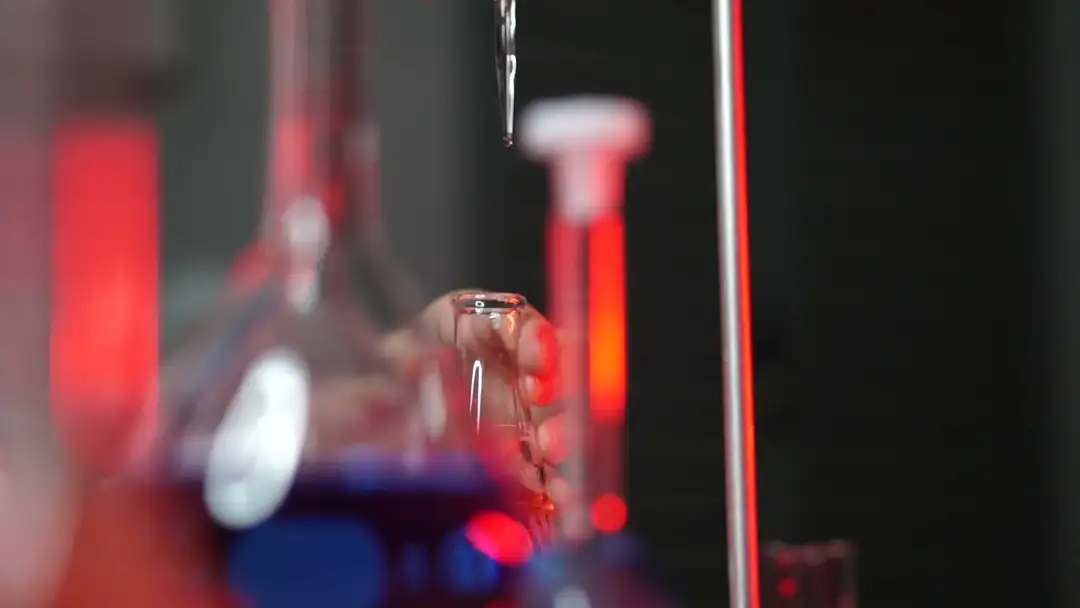
A sequence designed specifically for your brand, with no counterpart in nature, acts as the product's material identity. Verification is done in the lab and cannot be passed with a partial resemblance: it either matches exactly or it does not.
What it solves
The other side questions the certainty of the measurement and the argument shifts to the method.
This is where the DNA layer comes in. A sequence designed specifically for the brand, with no counterpart in nature, is assessed in the lab for an exact match. A partial or approximate copy cannot pass verification; the answer is either yes or no.
DNA-based
The strongest ground to stand on when a dispute goes legal.
An approximate copy cannot pass verification; the result is yes or no, with nothing in between.
You run daily checks with a faster mark; this layer comes in only at the moment of dispute.
Added in trace amounts, it changes none of the product's physical properties.
How it is introduced
The sequence specific to your brand is added in trace amounts to the product or coating during production.
When verification is needed, a small sample is taken from the product; batch integrity is not affected.
The sequence in the sample is assessed for an exact match against the reference.
FAQ
Usually not. Daily checks are done with a faster layer; this layer comes in at the moment of dispute.
The sample is small; batch integrity is not affected.
As it is laboratory verification, timing depends on the sample flow; certainty comes at the cost of speed.
Technologies
Meeting request
The first meeting reviews your product group, your production flow and the points where verification will take place, and recommends a marking or analysis method.
Request a meeting